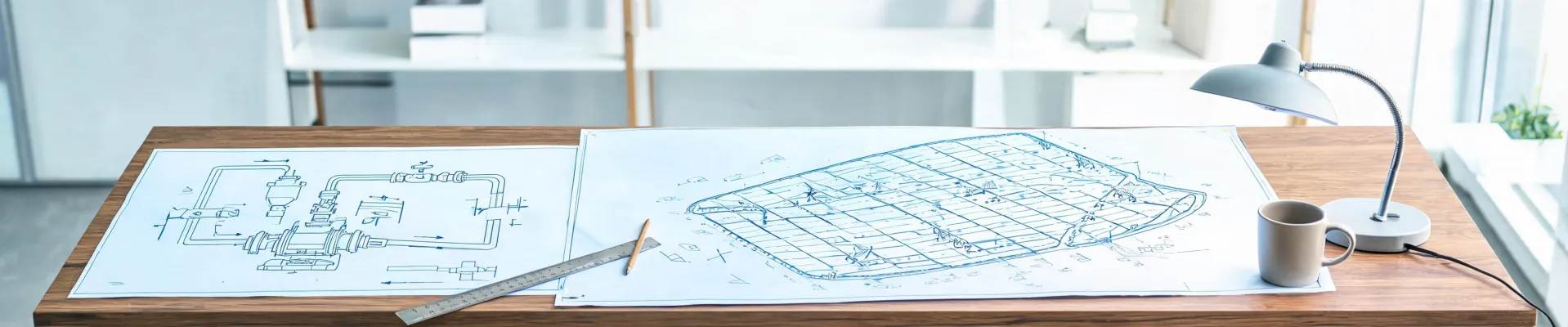
A grower buys a pump whose flow rating clears the whole field's demand, plumbs it to the manifold, and walks the longest lateral to find the emitters barely weeping at the far end. Nothing on that label was ever charged for lifting water out of the ground or for pushing it the length of the mainline, and that is the whole failure: the pump was chosen on gallons per minute while the field runs on pressure.
The number worth shopping with is total head measured at the drip lines' working pressure, not the flow printed on the box. A pump does two jobs at once — it moves water and it builds pressure — and the flow figure answers only the first. What it costs to lift the water and push it through pipe comes out of the same account before any emitter sees a drop.
The Mistake That Starves the Last Lateral
Flow is the number that sells pumps, because it is the one figure a grower can check quickly against total emitter demand. It is also the figure that says nothing about whether pressure survives to the far end of the field.
The consequences sort themselves by distance. Near the pump, head is plentiful; at the top of a sloped block and at the far corner of the longest lateral it is not. A pump with a generous flow rating and a thin margin of head produces a system that looks correct at the manifold and fades out down the row, and because the fade is gradual it gets read as an emitter problem rather than a pump problem.
Fix the order of operations and most of this confusion disappears. How much pressure the field needs is a property of the field: it is measured in vertical lift and in what the pipe takes out of the stream on the way. How much water the field needs is a separate question with a separate answer. Settle the pressure question first, then look for a pump that delivers the required flow at that head.
Elevation Head Is the Lift You Can Measure
Elevation head is the vertical distance the pump must lift water. Vertical is the operative word, because horizontal distance across the field does not count as lift no matter how far the water travels. The measurement runs from the water surface the pump draws from to the highest point the water has to reach: the top of a riser, the inlet of an elevated tank, the highest emitter on a sloped block.
Read the first point carefully. It is the water surface, not the intake sitting on the bottom of the pond or the wellhead at grade. A falling water level raises elevation head even when nothing on the pump or the pipe has changed, which is why a system that kept up in spring can lag in late summer. Measure at the low water mark you expect for the season, not at the level on the day you happen to be standing there.
Two points, a level or a tape, one vertical gap. It is the least mysterious number in the sizing exercise and the one most often guessed at.
Friction Loss Grows Faster Than Flow
Water coming out of the pump has to be pressurized enough to overcome friction losses in the distribution lines and still meet the irrigation system's pressure requirement. Friction is the pressure cost of moving water through anything solid: mainline, submain, manifold, filter, valve bodies, fittings, and the drip line itself. Each one adds to the bill, and the bill is settled before the first emitter opens.
Here is the part that catches buyers. Friction does not scale politely with flow. Push more water through the same pipe and the pressure cost climbs faster than the flow does, so upsizing a pump to cover more acres can eat more head than the extra acres return. And the account is cumulative. The longer the run and the more fittings in the way, the bigger that bill gets. Two blocks with identical flow demand can need different pumps purely because one has a longer pull, a dirtier filter, or an elbow count nobody bothered to add up.
The third item in the budget, the pressure the tape is rated for, is the one that cannot be traded away. A drip line is rated to deliver its flow at a stated working pressure, and anything short of it shows up as uneven wetting and a lateral that fades out partway down the row. A pump that covers lift and friction but still lands below that rated pressure has failed, even with every pipe in the field intact.
Measure Lift on Day One, Before You Shop
Suppose the pump has not been bought yet and the field layout is still a sketch on the tailgate. On day one I would take three measurements and copy one number off a spec sheet before opening a single catalogue.
First I would drop a tape from the lowest water level expected during the season to the pump's operating water line, and call that gap the lift. Next I would run a level from the highest point the water must reach back down to the same water line, and call that vertical difference the elevation head the pump works against. Then I would walk the longest run with a tape and count what the water has to pass: total length, elbows, tees, reducers, valve bodies, filter housings, and the diameter of every pipe section. The number to copy is the working pressure printed on the drip line's spec sheet — the manufacturer's figure, not the pressure you would prefer.
The comparison that follows is blunt. Add the lift, a rough allowance for the friction of that run, and the pressure that spec sheet lists. If the total already crowds the top of a candidate pump's pressure range, cross the candidate off however generous its flow rating looks, because no margin is left for the friction that grows as filters load and lines age. A pump is not undersized because its gallons look small; it is undersized when its head runs out before the water reaches the far end of the field.
Read the Far-End Gauge in Week One
During the first week of that imagined season, with every zone running, I would hang a gauge on the manifold and another at the far end of the longest lateral, then write both readings against the drip line's working pressure. Two numbers, one comparison, and most sizing arguments end there.
If the manifold sits at or above the working pressure while the tail of the line falls short, the loss lives in the line: friction, a partly closed valve, a loading filter, undersized pipe, or a lateral run past its sensible length. If both ends read short, the problem sits upstream of the manifold — in the lift, the pump, the suction side, or a pump running off its curve. Same symptom at the emitters, two different repairs, and the gauges decide which one you are looking at.
The verdict this exercise builds toward fits in one sentence: a pump is sized right for this system only when the working pressure of the drip lines still holds at the far end of the longest run with every zone open. Not at the pump. Not at the manifold. Not with half the zones shut off to make the reading look good. At the far end, at the pressure the tape was built for.
A Month Later, Put the Regulator in the Manifold
A month in, the pressure question usually moves from the pump to the manifold, and that is where a regulator earns its place. Penn State Extension's guidance on drip irrigation for vegetable production lays out the job plainly: pressure regulators bring the pressure in the manifold, the pipeline feeding the drip lines, down to the drip lines' working pressure, and both fixed-outlet and adjustable-outlet devices are available across a wide range of flow rates.
The same guidance is direct about globe valves. They regulate by constricting the flow path, and because any change in system flow rate or operating pressure also shifts the pressure downstream, they are not recommended for holding a drip line at its working pressure. A manifold trimmed with a gate or globe valve leaves the drip line riding on whatever the pump happens to be doing that hour.
The boundary matters as much as the device. A regulator protects the drip line from excess manifold pressure. It cannot recover head lost to lift or line friction upstream, so it is not a repair for an undersized pump. Stack a regulator on a pump that is already short and the far end still starves, just more predictably. Regulate after the head budget is covered, never instead of covering it.
What Would Flip This Sizing Call
Four changes would overturn a head-based verdict on a pump. The source drops lower than the level you measured, raising elevation head with nothing else touched. Zones or run length grow: more acres, a longer pull, another set of fittings, all of it adding friction against the same pump. A regulator masks manifold pressure, so the manifold gauge reads healthy while the pump works near its limit and the far end tells another story. Or the candidate's published curve sags at the head and flow you actually computed, turning a comfortable-looking rating into a marginal one.
None of those get settled from a product page. No pump curve or line specification for the models in question was available for this article, so the sizing call stays provisional until the numbers meet a curve. What resolves it is a request rather than a guess: ask the supplier for the pump curve at your computed head and flow, and ask for the friction data behind the pipe you intend to run. A brand ranking, a maximum run length quoted from memory, or one set of conditions declared universal does not answer the question.
Which brings the walk back to that longest lateral and its weeping emitters. Before blaming the pump or replacing it with a bigger one, re-measure the lift at the low water mark and read pressure at the far end of the longest run while everything is running. If both hold against the tape's rated pressure, the pump was never the problem and the conversation belongs with the tape and the filters. If the tail end reads short while the manifold reads fine, the pump is doing its job and the line is not. Either way, ask for the curve at the head and flow you computed before signing anything, because that sheet is what separates a flow rating from a pump that keeps the last lateral running.
Leave a procurement question
Public discussion is separate from a project RFQ. Keep confidential site or purchasing information in the procurement inquiry form.